

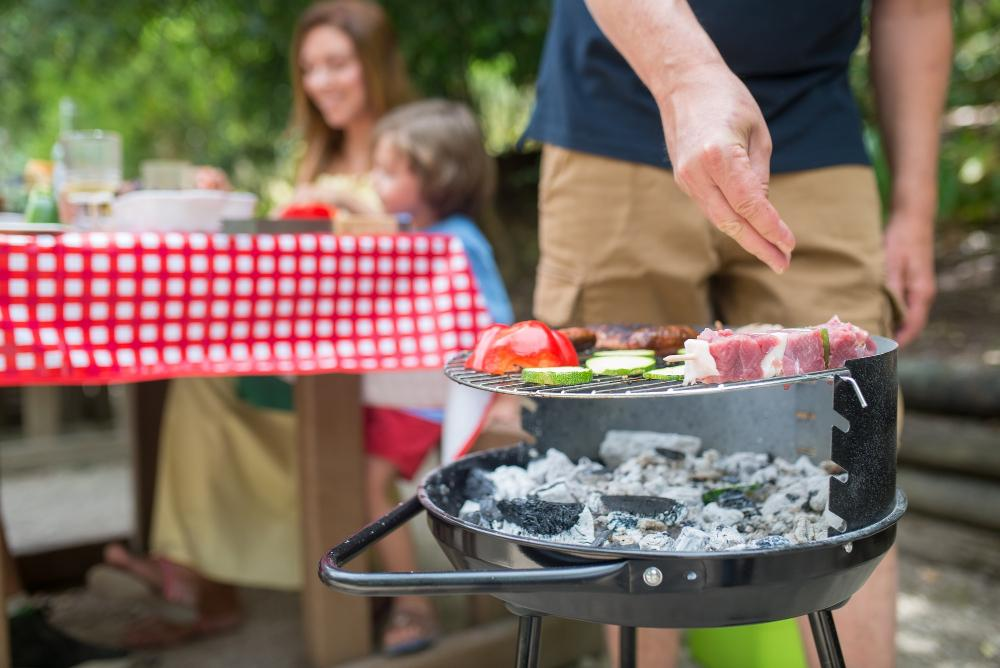
Outdoor cooking is a favorite form of entertainment for many people. It provides a chance to connect with nature and enjoy delicious meals with family and friends. The important consideration about cooking outside is to choose the right source of fuel for a safe, well-organized, and pleasant experience. The selection of fuel will depend on your personal preferences, the flavor of the special dish you are going to cook, and the cost and convenience of the appliance. Here are tips for choosing the right fuel source according to their advantages and disadvantages for outdoor cooking:
Wood Pellets
Wood pellets have a higher energy density than other fuel sources for cooking. These are used in cooking grills and smokers to add a smoky flavor to food. They are commonly used in pellet grills, which are outdoor cooking appliances, and use wood pellets to cook food. According to EPA statistics, burning one ton of wood pellets can save the emission of carbon dioxide by approximately 1.5 tons. You should use pellet grills to cook grilled chicken sandwiches, veggie burgers, and chicken breasts with smoky flavors. Keep in mind that pellet fires produce low temperatures, which can make it difficult to achieve the high heat needed for efficient grilling.
Propane
Propane is an environmentally friendly fuel for outdoor cooking as it does not emit sulfur dioxide, methane, nitrogen oxides, and other wastes. If you are going for outdoor cooking and have a plan for grilling, roasting, or smoking, then you should use Bottled Propane. It is a common, affordable, and convenient fuel that makes it a perfect choice for outdoor cooking. It is used as a fuel source in approximately 60 percent of grills. Propane fuel ignites rapidly and easily maintains a consistent temperature. This compatibility makes it the best choice for outdoor cooking of burgers, brisket, and smoked salmon. You should avoid leakage of your propane tank by ensuring pressure relief valves.
Natural Gas
You should always give priority to safety in outdoor cooking. Natural gas is considered a safe, less toxic, and clean-burning fuel. It emits low greenhouse gases compared to propane. Many natural gas grills are available in the market that create less heat and keep your stovetop cool. It reduces the chance of unintentional burns and cooks the food fast by keeping its temperature high. You should choose a natural gas stove for outdoor cooking of sausages, chicken breasts, ribs, and veggie skewers. The limitations of natural gas as fuel include the need to connect the stove to a natural gas pipeline, and it gives a non-smoky flavor to your food.
Electric Smoker
If you want to cook meat, sausages, chicken thighs, and tri-tip with a non-smoky flavor, then you should use electricity as a source of fuel. An electric smoker contains heating rods that heat up to cook the meat slowly at a low temperature. It provides you with a chance to maintain your desired temperature without much effort. Moreover, it is an effective, low-cost, and nature-friendly fuel source for outdoor cooking. However, some factors may affect its effectiveness, such as moisture, extreme weather conditions, and the unavailability of electric generators.