
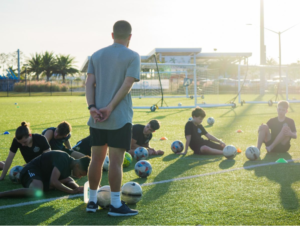
Schools and institutions are changing the way they think about physical education. Traditional sports are no longer the only focus. Today, more attention is given to inclusion and accessibility. Students with different physical abilities are now encouraged to participate in structured physical activities. This shift is creating a more balanced and supportive learning environment. One of the key drivers of this change is the rise of adaptive sports programs that are reshaping participation for many learners across educational settings.
Inclusive Education Through Adaptive Sports Programs
Inclusive education is becoming a core priority in modern institutions. Adaptive sports programs are designed to modify traditional games so students with physical or cognitive challenges can participate safely and confidently. Adaptive sports refer to structured athletic activities that are adjusted in rules, equipment, or environment to match the abilities of participants. Schools are using these programs to ensure no student is left behind in physical education. This approach is not only improving participation but also building confidence and teamwork among students who previously had limited access to sports activities.
School Facilities And Adaptive Sports Accessibility
Educational institutions are upgrading their facilities to support adaptive sports. Ramps, modified courts, and specialized equipment are becoming more common in schools. These improvements make physical spaces more accessible for all students. The adaptive sports programs are also influencing the design of playgrounds and indoor gyms. Schools are now planning spaces where movement limitations do not restrict participation. This growing accessibility is helping students engage more actively in physical education sessions.
Teacher Training And Adaptive Sports Coaching Development
Teachers play a key role in implementing adaptive sports effectively. Many institutions are investing in specialized training programs for physical education instructors. These programs help teachers understand how to adjust activities according to individual student needs. Coaching methods are also evolving to include adaptive sports strategies. Educators are learning how to encourage participation without pressure or exclusion. This shift is creating a more supportive environment where every student can experience success in physical activity.
Institutional Investment In Adaptive Sports Infrastructure
Schools and educational bodies are increasing their investment in adaptive sports infrastructure. This includes purchasing adaptive equipment such as modified balls, wheelchairs designed for sports, and sensory-friendly training tools. Financial support is also being directed toward building inclusive sports programs that can be sustained long term. Adaptive sports initiatives are now seen as an essential part of school development plans. Institutions understand that such investments contribute to overall student well-being and social development.
Future Growth Of Adaptive Sports In Education
The future of education is likely to include even more structured adaptive sports programs. As awareness grows, more schools are expected to integrate inclusive physical education into their core curriculum. Technology may also play a role, with digital tools helping design customized training plans for students. Adaptive sports will continue to evolve as institutions recognize their long-term educational and social value. This growth signals a more inclusive direction for school systems worldwide.
Conclusion
Adaptive sports programs are transforming how schools and institutions approach physical education. They are making sports more inclusive, accessible, and engaging for all students. Through improved facilities, trained educators, and strong institutional support, these programs are building a more equitable learning environment. The continued expansion of adaptive sports will further strengthen inclusion in education and ensure that every student has the opportunity to participate and thrive.