

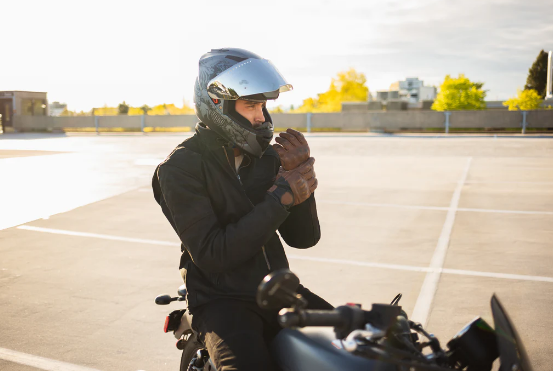
Riding a motorcycle offers a sense of freedom and connection to the road that few other experiences can match. However, that freedom carries real responsibility — primarily toward one’s own safety and preparedness. The gear a rider chooses directly influences both comfort on long journeys and protection in the event of an accident. Investing in quality equipment is not an optional extra for the committed rider; it is a foundational part of responsible motorcycle ownership that pays dividends every time the bike is on the road.
Understanding Why Protective Gear Matters
Motorcycles offer no structural protection between the rider and the road, which makes personal protective equipment significantly more critical than the safety features available in enclosed vehicles. In the event of a crash, the body absorbs the full force of impact, and the quality of the gear worn determines how much of that force causes injury. Research consistently shows that riders wearing proper protective gear sustain significantly fewer and less severe injuries than those without.
Choosing the Right Helmet for Every Ride
The helmet is the single most important piece of protective equipment a rider can own. Full-face helmets offer the most comprehensive protection by covering the face, jaw, and chin. Modular helmets provide a degree of flexibility while maintaining reasonable protection, and they are popular among touring riders who need the ability to lift the chin bar at stops. Regardless of style, choosing a helmet that meets current safety certification standards and fits properly is essential, an ill-fitting helmet can shift during an impact and reduce its protective value significantly.
Jackets, Gloves, and Boots That Provide Real Protection
Beyond the helmet, the next layer of protection comes from what covers the body, hands, and feet. Motorcycle jackets constructed from leather or reinforced textiles provide abrasion resistance in a slide, while integrated armor at the shoulders, elbows, and back absorbs impact energy. Riding gloves protect the palms and knuckles, which instinctively absorb impact when a rider tries to break a fall. Motorcycle boots with ankle support and reinforced soles protect the feet and lower legs from crush injuries and abrasion. Sourcing motorcycle racing gear online allows riders to compare specifications, read verified reviews, and access a wider range of options.
Riding Pants and Lower Body Protection
Many new riders invest heavily in upper body gear while neglecting proper lower body protection. The legs and hips are frequently involved in motorcycle accidents, yet riding in standard denim jeans remains surprisingly common. Motorcycle-specific pants in leather or reinforced textile fabrics include armor at the hips and knees that absorbs impact energy during a fall. Overpants that can be worn over regular clothing offer a practical compromise for commuters who need to look presentable at their destination.
High-Visibility and All-Weather Gear Considerations
Riding conditions change with the weather and the time of day, and gear choices should reflect that variability. High-visibility vests or jackets with reflective panels dramatically increase a rider’s presence on the road during low-light conditions, reducing the risk of not being seen by other motorists. Waterproof outer layers or built-in waterproof liners keep riders dry and alert during rain, which is important because discomfort and distraction contribute to reduced concentration.
Conclusion
Essential motorcycle gear is not about appearance — it is about giving every ride the protection and preparedness it deserves. Selecting quality equipment across every category, from helmet to boots, builds a comprehensive safety foundation that supports confident and enjoyable riding. The investment made in proper gear is an investment in the ability to keep riding for years to come.