
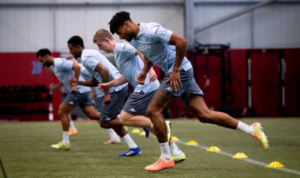
Competing in multi-stage events pushes athletes to their limits. Every stage tests endurance, strategy, and mental toughness. From road cycling tours to multi-day running events, sustaining performance across days requires more than raw power. Success comes from careful planning, smart recovery, and tactical awareness. Understanding how to maximize your output without burning out is key. In cycling, for instance, riders in races like the Tour de France demonstrate the importance of consistency over flash performance.
Structuring Endurance Workouts For Stamina
Endurance forms the backbone of multi-stage competitions. Long rides at a steady pace improve aerobic capacity and delay fatigue. Including intervals within these sessions helps the body adapt to bursts of speed followed recovery. Nutrition during rides also matters; fueling strategically keeps energy levels stable across stages. Cyclists following a structured approach often notice better recovery and performance. Integrating endurance sessions into a solid cycling training plan ensures the body is ready for prolonged effort.
Incorporating Strength And Core Conditioning
Muscle strength and core stability directly influence efficiency on long courses. Exercises targeting legs, glutes, and core reduce the risk of injury and enhance power transfer. Riders with strong cores maintain posture during climbs and descents. Off-bike strength routines complement endurance work, making each pedal stroke more effective. Athletes who combine strength work with their cycling training plan experience smoother rides and reduced fatigue across multiple stages.
Optimizing Recovery Between Stages
Recovery is as critical as training. Sleep, nutrition, and active recovery techniques help the body repair. Light spinning, stretching, and massages aid circulation and reduce soreness. Timing meals and hydration between stages ensures glycogen stores are replenished. Riders in legendary races, influenced Tour de France history, understood that smart recovery could make or break their overall performance. Following a disciplined recovery routine within a cycling training plan can give athletes a competitive edge.
Strategic Pacing And Energy Management
Pacing is crucial in multi-stage competitions. Going too hard on the first day can compromise performance in later stages. Learning to monitor heart rate and perceived exertion helps athletes conserve energy. Experienced cyclists break stages into segments, focusing on climbs, flats, and sprints separately. Strategies refined over decades, as seen in Tour de France history, show that energy management often outweighs raw speed. Incorporating pacing drills into a cycling training plan teaches the body to sustain effort efficiently.
Mental Resilience And Focus Techniques Inspired By Tour De France History
The psychological aspect of multi-stage competitions is often overlooked. Mental fatigue can be as limiting as physical exhaustion. Visualization, goal setting, and segmenting stages into smaller targets help maintain focus. Riders develop resilience through challenging training sessions that mimic race conditions. Lessons from tour de france history reveal that champions often excel in mental toughness as much as physical ability. Incorporating mental drills into your cycling training plan strengthens overall performance and confidence.
Nutrition Strategies For Multi-Day Cycling Events
Fueling consistently is vital. Balanced intake of carbohydrates, protein, and fats supports energy levels and recovery. Hydration plans prevent cramps and overheating. Snack timing during stages and proper post-stage meals reduce performance dips. Athletes who integrate nutrition into their overall strategy, much like riders in iconic Tour de France history races, experience fewer energy crashes and improved endurance. Aligning nutrition with your cycling training plan ensures peak performance over multiple days.
Conclusion
Maximizing performance in multi-stage competitions requires a holistic approach. Endurance, strength, recovery, pacing, mental resilience, and nutrition all play a part. Every small advantage compounds over the course of several days. Drawing inspiration from the legends in Tour de France history, athletes today can craft cycling training plans that balance effort, recovery, and strategy. Success isn’t just about winning a stage; it’s about sustaining excellence from start to finish.